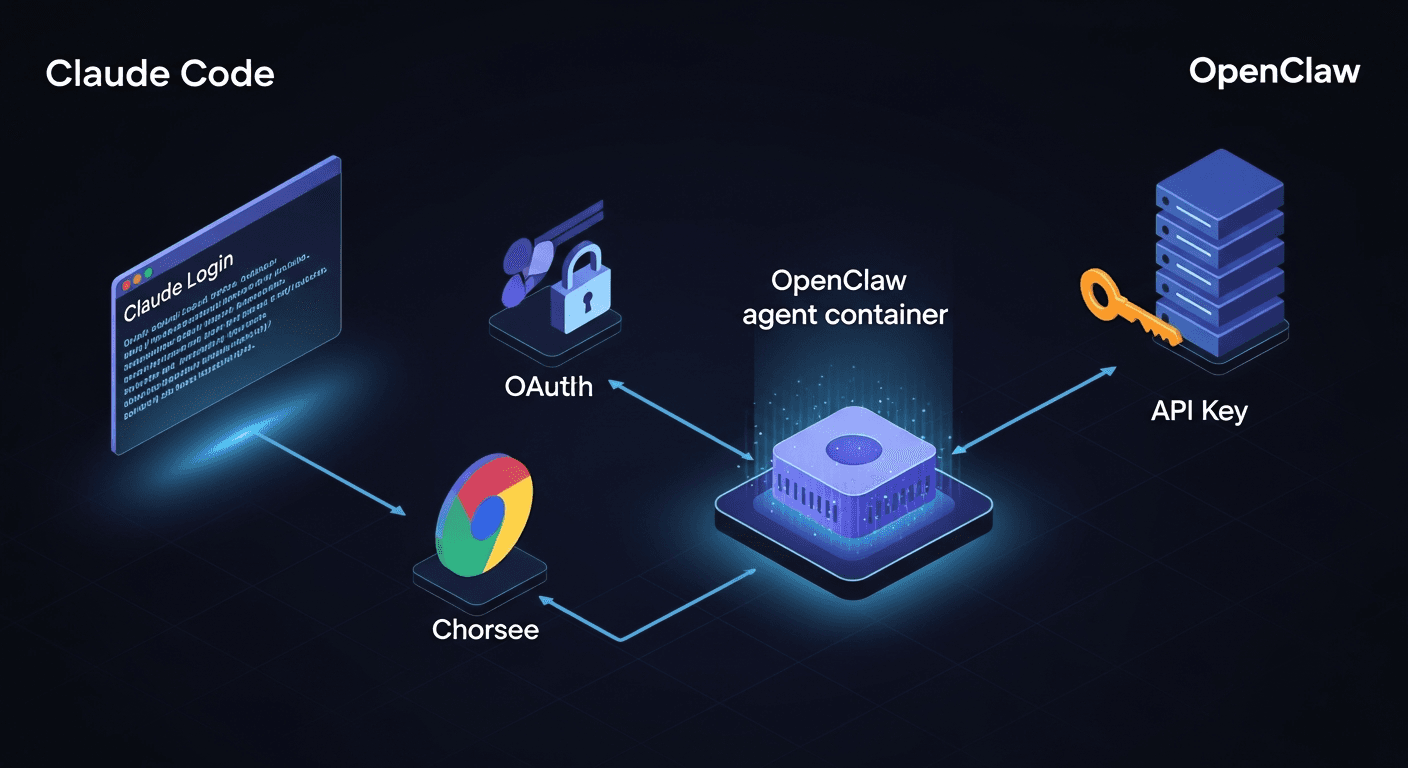
Claude Code Inside OpenClaw: Authentication, Max Plans, and the Path to Subscription-Powered Agents
You have a Claude Max subscription. You have OpenClaw agents running 24/7. The question everyone is asking: can your agents use your subscription credits instead of burning API tokens?
The most common question we get from Augmi users: “I’m paying $200/month for Claude Max. Why can’t my OpenClaw agents just use that?”
It’s a reasonable question. You’re already paying for premium Claude access. Your agents are running Claude models around the clock. Having two separate billing systems feels redundant.
The answer is more nuanced than a simple yes or no. Based on research across official Anthropic documentation, community discussions, and deep analysis of the OpenClaw container architecture, here’s everything you need to know about authentication, billing, and the future of subscription-powered AI agents.
The Two Billing Worlds
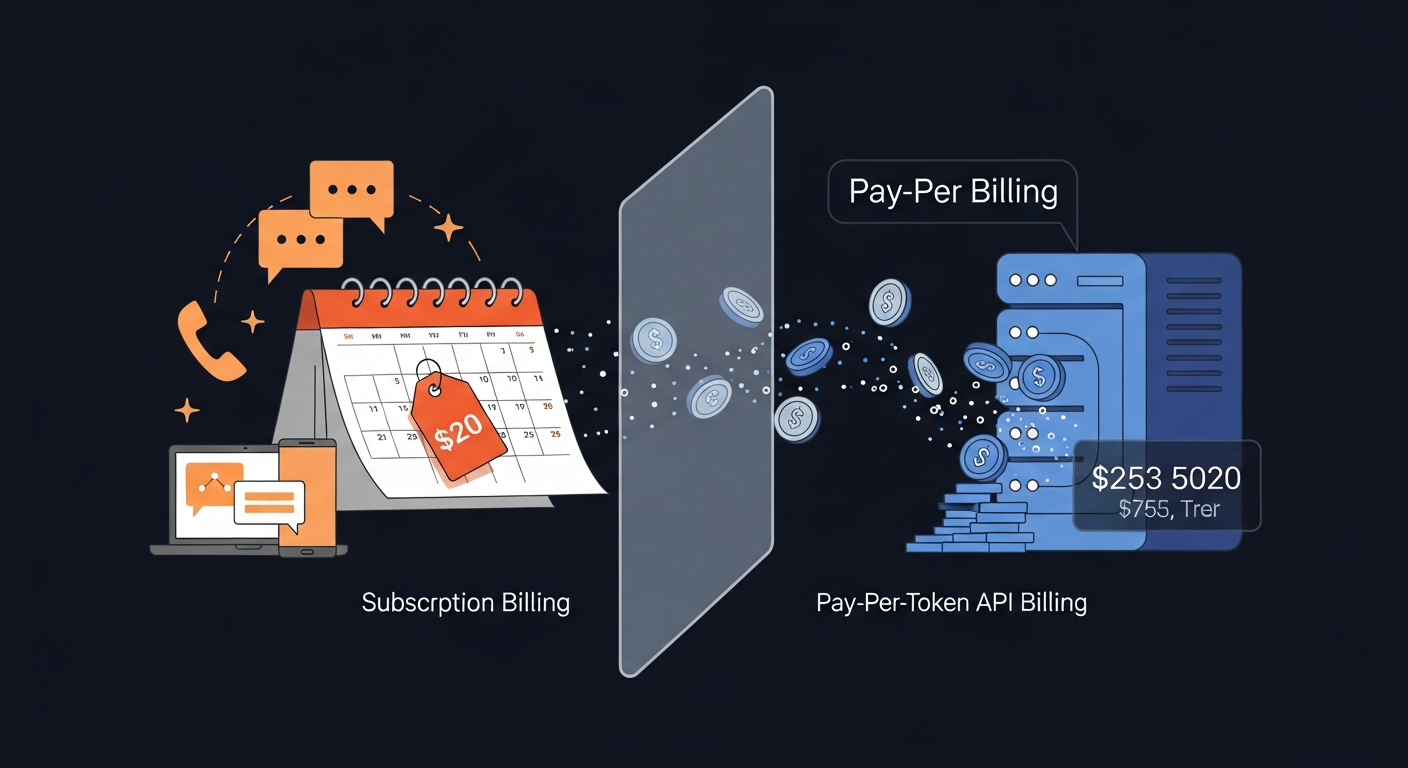
The first thing to understand: Claude subscriptions and Claude API credits are completely separate billing systems. Anthropic explicitly confirms this:
“Claude paid plans and the Claude Console are separate products designed for different purposes.”
This separation creates the central tension for anyone running hosted AI agents:
| Feature | Subscription (Pro/Max) | API Credits |
|---|---|---|
| Billing | Fixed monthly fee | Pay-per-token |
| Authentication | OAuth (browser required) | Environment variable |
| Context Window | Standard limits | Up to 1M tokens (Sonnet 4.5) |
| Rate Limits | Weekly + rolling window caps | API tier limits only |
| Container Friendly | Difficult (needs browser) | Simple (env var) |
| Budget | Predictable | Variable |
For individual developers running Claude Code on their laptop, this distinction barely matters. But for hosted agents on Fly.io machines running 24/7 without a browser — it changes everything.
How Claude Code Authenticates
Claude Code CLI supports five authentication methods:
- Claude.ai Credentials (OAuth) — Interactive browser-based flow for Pro/Max subscribers
- Anthropic API Key — Environment variable (
ANTHROPIC_API_KEY) - Azure Auth — For Azure-hosted Claude deployments
- AWS Bedrock Auth — For AWS Bedrock integration
- Google Vertex Auth — For Google Cloud Vertex AI
The initial authentication happens when you run claude for the first time or use the /login command inside an active session. For subscription authentication, it opens a browser window where you authorize the CLI to access your Claude.ai account. The token is then stored in your macOS Keychain (or equivalent on other platforms).
The Priority Rule
Here’s a detail that trips up many users: API keys take precedence over subscription authentication. If you have both ANTHROPIC_API_KEY set as an environment variable AND an active subscription login, Claude Code will use the API key for billing. Your subscription credits sit untouched.
This behavior is well-documented and intentional. The fix is straightforward — remove the ANTHROPIC_API_KEY environment variable if you want to use your subscription. But in a hosted container environment where API keys are the default auth mechanism, this priority rule matters.
Headless Authentication Challenge
The OAuth flow requires opening a browser. In a Fly.io container, there is no browser. This creates the core problem for subscription-based authentication in hosted environments.
Current workarounds include:
- SSH port forwarding: Forward the OAuth callback port from the remote machine to your local browser:
ssh -L 8765:localhost:8765 user@remote-server - Credential file transfer: Authenticate on your local machine, then
scp ~/.config/claude-code/auth.jsonto the remote container - Setup token: Run
claude setup-tokento capture auth state for remote deployment
None of these are ideal for always-on agents that need to restart without human intervention.
What the Max Plan Actually Gets You
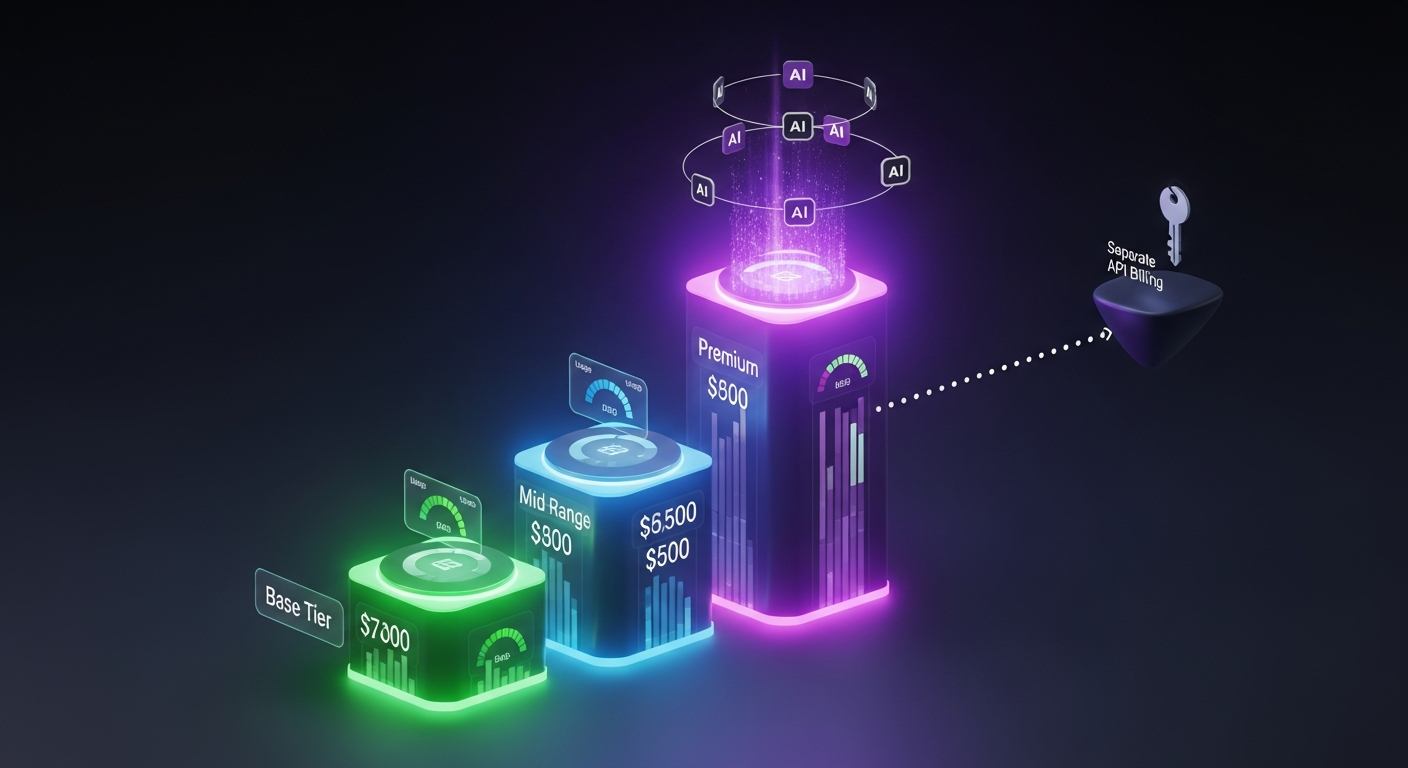
Understanding the Max plan is essential for anyone running agents. Here’s the breakdown as of February 2026:
Pro Plan — $20/month
- 5x Free tier capacity
- ~10-40 prompts per 5-hour rolling window
- Weekly usage cap (specific hours not published)
- Shared limits across Claude web AND Claude Code
- Access to all models, but Opus time is limited
Max 5x — $100/month
- 25x Free tier capacity (5x Pro)
- 140-280 hours of Sonnet 4 per week
- 15-35 hours of Opus 4 per week
- Extended Thinking for complex reasoning
- Memory feature for long-term context
Max 20x — $200/month
- 100x Free tier capacity (20x Pro)
- 240-480 hours of Sonnet 4 per week
- 24-40 hours of Opus 4 per week
- 200-800 prompts per 5-hour rolling window
- Maximum priority during high traffic
The Always-On Problem
Here’s where the math gets interesting for agent operators. A week has 168 hours. The Max 20x plan provides 240-480 Sonnet hours per week. That sounds generous until you consider:
- A single always-on agent consumes ~168 hours/week
- Usage is shared between Claude web and Claude Code
- The 5-hour rolling window still applies to burst activity
- Multiple agents would quickly exhaust weekly allocations
For a single, moderately active agent, Max 20x might work. For multiple agents or heavy workloads, you’ll hit limits — and then extra usage kicks in at standard API rates anyway.
Extra Usage
Both Max tiers allow purchasing additional usage beyond plan limits. This is billed at the same standard API rates you’d pay with a pure API key. You can enable or disable this in Settings > Usage. The key insight: if your agent consistently exceeds plan limits, you’re effectively paying the subscription fee PLUS API rates — potentially making a pure API approach cheaper.
The Cost Math: Subscription vs API for Always-On Agents
Let’s model a realistic scenario: a single OpenClaw agent handling Telegram messages, running Claude Sonnet 4.5.
Light Agent (Customer Support Bot)
- ~500 messages/day, ~200 tokens average per exchange
- ~100K tokens/day total
- API cost: ~$0.30-0.45/day → ~$9-14/month
- Max 20x: $200/month (vastly overprovisioned)
- Winner: API key
Medium Agent (Development Assistant)
- ~2,000 messages/day, ~500 tokens average
- ~1M tokens/day total
- API cost: ~$3-4.50/day → ~$90-135/month
- Max 20x: $200/month (close to limit)
- Winner: Depends on usage patterns
Heavy Agent (Autonomous Coding Agent)
- Continuous coding sessions, extended context
- ~10M+ tokens/day
- API cost: ~$30-45/day → ~$900-1,350/month
- Max 20x: $200/month + extra usage at API rates
- Winner: Max plan (if you stay within limits)
The pattern is clear: subscription plans win for heavy, consistent usage. API keys win for light or variable usage. But “heavy consistent usage” within Max plan limits is a narrow band — too heavy and you spill into extra usage at API rates anyway.
What We Recommend Today
Given the current landscape — separate billing systems, third-party OAuth restrictions, and token expiration complexity — here’s our practical recommendation:
For Most Users: API Key Authentication
- Get an API key from console.anthropic.com
- Add it in Augmi Settings → it’s encrypted and stored securely
- Deploy your agent → authentication is handled automatically
- Pay per token → only pay for what your agent actually uses
This is the proven, reliable path. No token expiration. No shared usage pools. No browser required. The cost is predictable and scales with actual usage.
For Power Users: Max Plan + Local Claude Code
If you’re already paying for Max and want to maximize your subscription:
- Use Max plan for your personal Claude Code sessions on your laptop
- Use API key for hosted Augmi agents
- Monitor usage — if your API costs consistently exceed $100-200/month, the subscription might cover it
Claude Code Modes for Agents
Beyond authentication, Claude Code offers several operational modes relevant to agent deployment:
Headless Mode (-p / --print)
Run single commands without interactive chat:
claude -p "Analyze this codebase and suggest improvements" --output-format json
Ideal for scheduled tasks and CI/CD pipelines. Limitations: no session persistence between runs, no user-invoked skills like /commit.
MCP Server Mode
Claude Code can expose its tools as an MCP server:
claude mcp serve
This exposes Bash, Read, Write, Edit, LS, Grep, and Glob tools to any MCP client. An OpenClaw agent could theoretically invoke Claude Code tools through MCP for coding tasks while handling channels natively.
Agent SDK
For programmatic access, the Claude Agent SDK provides Python and TypeScript libraries:
The SDK enables programmatic agent control with custom tools, multi-turn conversations, and streaming responses — the most flexible integration path for production agent systems.
The Bigger Picture
The subscription vs API debate reflects a broader tension in the AI industry: consumer products vs developer platforms. Claude.ai subscriptions are consumer products designed for individuals interacting through a browser. API access is a developer platform designed for automated systems.
OpenClaw agents sit at the intersection. They’re personal enough that subscription pricing feels right, but automated enough that API authentication works better. As AI agents become more common, we expect these billing models to converge — perhaps with agent-specific subscription tiers that combine the predictability of subscriptions with the headless authentication of API keys.
Until then, Augmi will continue supporting the most reliable path: securely stored API keys, seamless agent deployment, and letting you focus on what your agent does rather than how it authenticates.
Key Takeaways
- Subscription and API are separate billing systems — your Max plan doesn’t automatically cover API usage or hosted agents
- API key auth is the proven path for hosted containers — no browser, no token expiration, no shared limits
- Max plan limits are real — 240-480 Sonnet hours/week sounds generous but gets tight with 24/7 agents
- Claude Code is already installed in Augmi containers — the infrastructure gap is authentication, not tooling
- Third-party OAuth restrictions (Jan 2026) may block subscription passthrough for hosted platforms
- Cost varies by workload — light agents favor API keys, heavy agents favor Max plan (within limits)
- Hybrid is coming — we’re building toward OAuth integration pending Anthropic policy clarity
Sources
Official Anthropic Documentation
- Authentication - Claude Code Docs
- Using Claude Code with your Pro or Max plan
- What is the Max plan?
- Separate billing for subscriptions and API
- Extra usage for paid Claude plans
- Run Claude Code programmatically
- Claude Code development containers
- Claude Max Pricing
- Agent SDK overview
Community Analysis
- Claude Code Pricing: Is the $200/mo Plan Worth It?
- Claude Code Uses Your API Key Over Your Subscription
- Claude Code Cripples Third-Party Coding Agents from using OAuth
- Claude Code Limits: Quotas & Rate Limits Guide
- Claude Max vs Pro: Is the $100 Plan Worth it for Coding?
- Ask HN: Claude Code subscription vs API, which is cheaper?
- feat(docs, auth): Document Headless/Remote Authentication
- Docker Sandboxes: Run Claude Code Safely